Thinking about harnessing the power of CHP systems for your commercial or industrial property? For the right building, it can be a smart move.
Combined heat and power (CHP) converts heat that would otherwise go to waste into useful energy for your building. That reduces utility costs, increases efficiency, and guards against market volatility. CHP works best in buildings with steady electric and thermal demand, so it isn’t the right fit for every facility. Use this checklist to see whether your building is a strong candidate for cogeneration.
Building Energy and Thermal Load Profile
First things first: the type of building matters. CHP pays off in buildings with consistent energy and thermal demand, and strong candidates usually fall into three groups.
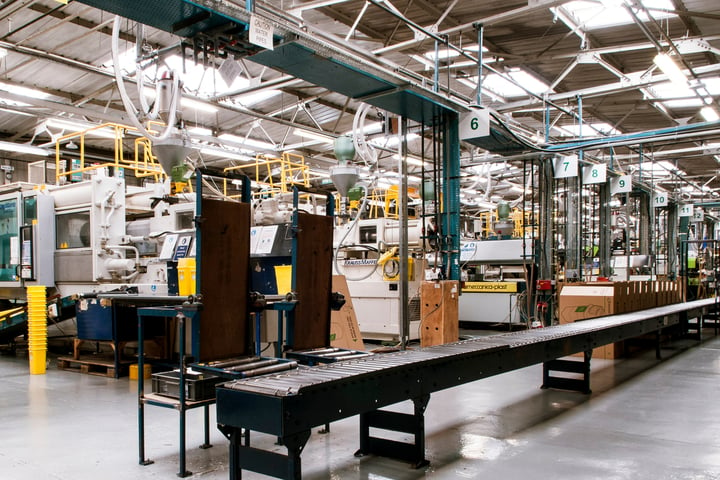
- Manufacturing plants, industrial facilities, and data centers. CHP offsets large, continuous electricity demand onsite while recovering heat for industrial processes
- Large multi-family dwellings, nursing homes, and museums. Here, CHP acts as a thermal-first system, using recovered heat to supply domestic hot water and space heating.
- Office buildings, hotels, and mixed-use developments. CHP balances electric and thermal loads, serving continuous HVAC and domestic hot water demand onsite.
If your building falls into one of the categories described above, here are some additional considerations:
-
Do you own the building or hold a long-term lease? CHP creates the most value over a long operating horizon, so building owners and long-term operators who manage energy procurement and capital planning are typically the best fit.
-
Is your boiler or chiller aging or approaching replacement? CHP can extend the life of that equipment by handling a portion of your building’s baseload thermal demand. With CHP in place, boilers and chillers run only when needed, which reduces runtime and maintenance.
-
Is there significant, consistent demand for heat throughout the year? CHP can support heating in winter and cooling in summer, which helps stabilize energy costs year-round.
Existing Infrastructure and Space
Next, look at your building's existing infrastructure and space availability. A CHP unit is housed within a container with a minimum footprint of 4 by 8 feet. Systems are commonly installed in a centralized mechanical or boiler room, but outdoor placement next to the building is also possible. Being close to your existing gas and electrical infrastructure is key.
Energy Consumption and Costs
What makes CHP systems particularly attractive is their ability to provide partial hedge against rising utility costs. Our energy experts can help you calculate how much you stand to save on your utility bills with a new or repowered CHP system. All we’ll need is a discovery call and 12 months of utility bills to show your energy and thermal consumption.
Financial Considerations
Buying a CHP system outright takes considerable capital, plus the ongoing work of maintaining and managing the equipment. Under an Energy Service Agreement (ESA), a provider like Catalyst Power owns, installs, operates, and maintains the unit instead, and you pay only for the energy it produces. Because these agreements run for many years, they suit owners and long-term tenants best.
Regulatory Environment
Onsite power generation involves permitting, local building codes, and a utility interconnection. A full-service provider handles all of that for you, but it still helps to know about any local rules that apply to your property.
- Are you aware of any local building codes and regulations that might affect your business?
Take the Next Step
To kick off your assessment, we need four things from you: 12 months of natural gas bills and one month of electric bills for each site (interval data preferred), a photo of your main electrical panel, a photo of your boiler room with a site plan showing the distance to the gas hookup and electrical panel, and details on your HVAC and mechanical equipment, including make, model, output, quantity, and proximity to the planned unit.
From there, we can design a site-specific system sized to your building’s heating load, which maximizes financial benefit, minimizes physical intrusion, extends boiler life, and defers maintenance. Then we handle everything else: permitting, installation, utility interconnection, and integration with your existing systems.
Our 15-year Energy Service Agreement means $0 upfront investment. A dedicated CHP team delivers, operates, and maintains the unit for the life of the agreement, and you pay only for the energy it produces. Catalyst Power also provides retail electricity and natural gas supply, giving you an integrated approach to energy procurement and onsite generation, whether for a single facility or an entire portfolio.
Ready to find out if your building qualifies?